Calm dogs, calm humans

What keeps dog work safe when you are new?

Slow down, get instructions in writing, and decline dogs you are not ready to handle. Responsible safety habits protect dogs, clients, neighbors, and you before the first paid walk starts.

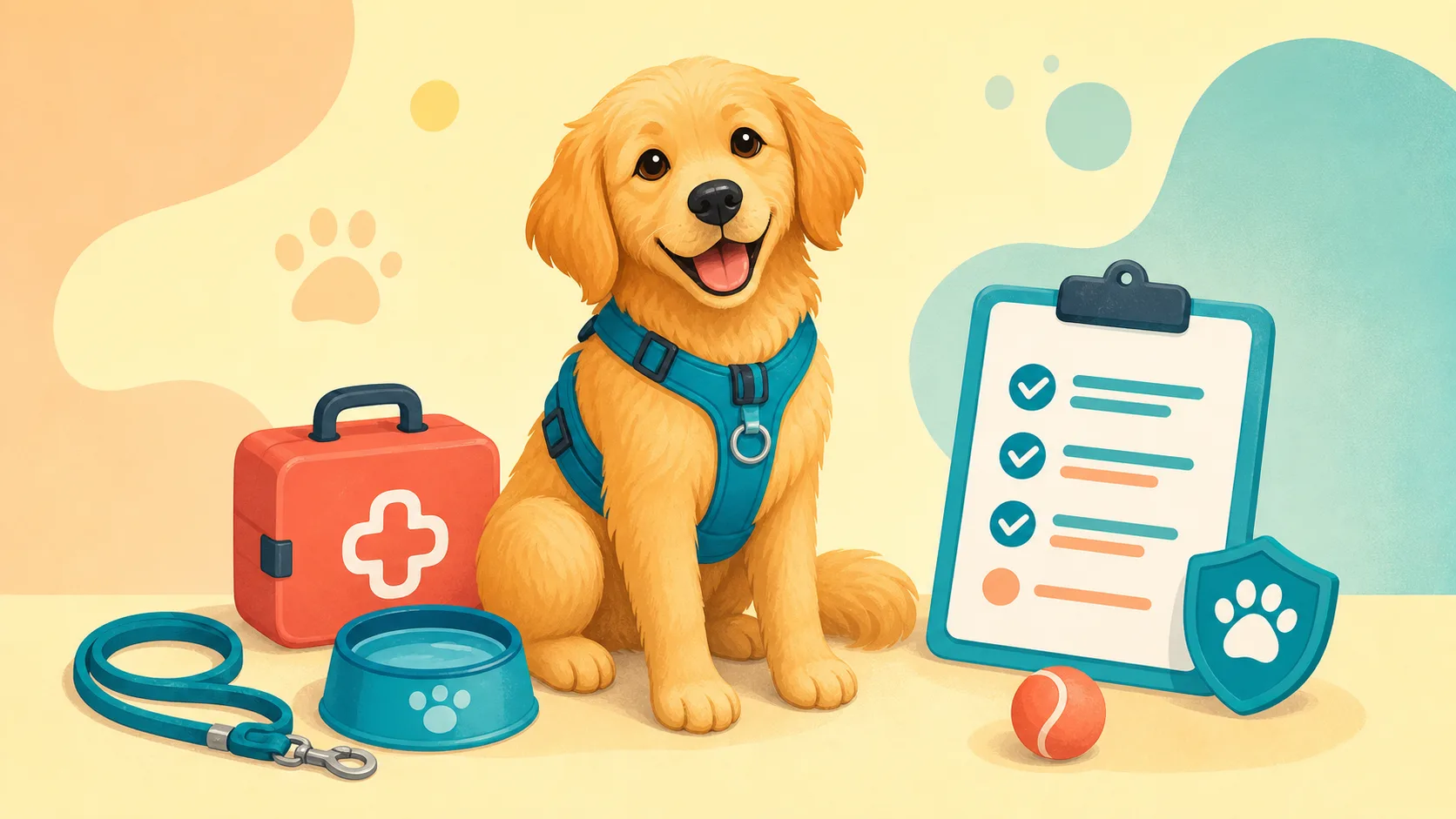
Calm dog with a harness, leash, water bowl, first aid kit, and safety checklist
Ask first

Get owner instructions in writing before keys or leashes change hands.

Slow down

Rushed greetings create mistakes, especially at doors and cars.

Use barriers

Separate dogs for food, toys, rest, and any rising energy.

Report early

Tell owners about limping, coughing, loose stool, fear, or rough play fast.

Before you take the leash

  • Confirm the dog's name, age, health concerns, triggers, recall level, and normal behavior.
  • Check collar or harness fit before leaving the home. If gear is loose or damaged, stop and message the owner.
  • Avoid dog parks, off-leash greetings, and unfamiliar dogs unless the owner specifically approved them and you are trained for that risk. The CDC dog safety guidance is blunt on this point: any dog can bite when scared, sick, guarding, or overwhelmed.
  • Carry water in heat, use reflective gear near traffic, and adjust walks for age, breed, weather, and paw safety.

Meet-and-greet questions

  • What scares your dog, excites your dog, or makes your dog guard food, toys, doors, or people?
  • How does your dog react to children, bikes, delivery drivers, cats, squirrels, and other dogs?
  • What commands, treats, walking tools, and reward routines do you use? If an owner mentions formal manners work, the AKC Canine Good Citizen program gives a useful picture of basic public-behavior skills.
  • Who should be called first in an emergency, and which vet has current records?

Red flags to decline or refer

  • A dog with a bite history beyond your training and safety setup.
  • Owners who minimize serious behavior, refuse written instructions, or pressure you to ignore local rules.
  • Multiple unfamiliar dogs with no separation plan, especially around feeding, toys, or doorways.
  • Medical needs that require skill you do not yet have. If a dog is injured, struggling to breathe, bleeding heavily, or acting suddenly abnormal, call the owner and a veterinarian instead of improvising treatment.

Professional habits clients notice

  • Arrive on time and send a concise update with photos, potty notes, meals, medication, and anything unusual.
  • Lock doors, return keys exactly as agreed, and never share access codes casually.
  • Document incidents the same day with plain facts, times, photos when helpful, and next actions. For training beyond a checklist, the Red Cross pet first aid course is built for people who want a structured emergency-care refresher.
  • Keep learning from certified trainers, groomers, shelters, veterinarians, and experienced handlers.

A confident no is part of the job.

Turning down a poor fit protects your reputation. Your next action is simple: write your personal "not yet" list before a client asks, so you are not deciding under pressure.

Ask a question